If you’ve been living with trauma, anxiety, mood swings, PTSD, or chronic stress, it can feel like your brain is always doing the wrong thing. Too fast. Too slow. Too loud. Too quiet. Many people come to neurofeedback worried that something is broken inside them.
Nothing is broken.
Your brain is doing its best to keep you safe. Neurofeedback starts from that understanding. One helpful way to understand this is by gently getting to know your brainwaves.
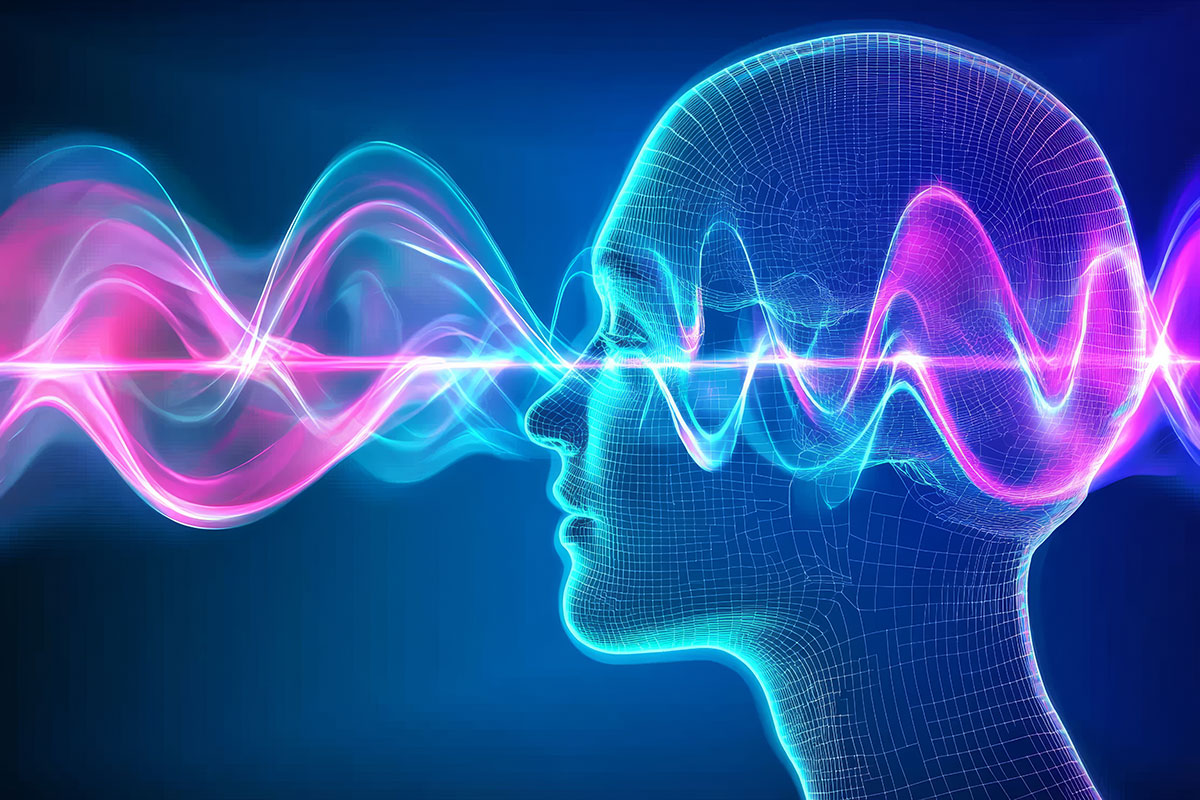
Every part of your nervous system communicates through tiny electrical rhythms called brainwaves. These rhythms are always shifting depending on what you’re thinking, feeling, or experiencing. You have all of them, every day. They are not good or bad. They are not labels.
When patterns get stuck — often because of trauma, chronic stress, or mood dysregulation — it can feel like your brain isn’t working right. Neurofeedback therapy helps guide irregular brainwave patterns toward more balanced rhythms, making it easier to feel calmer, focused, and regulated.
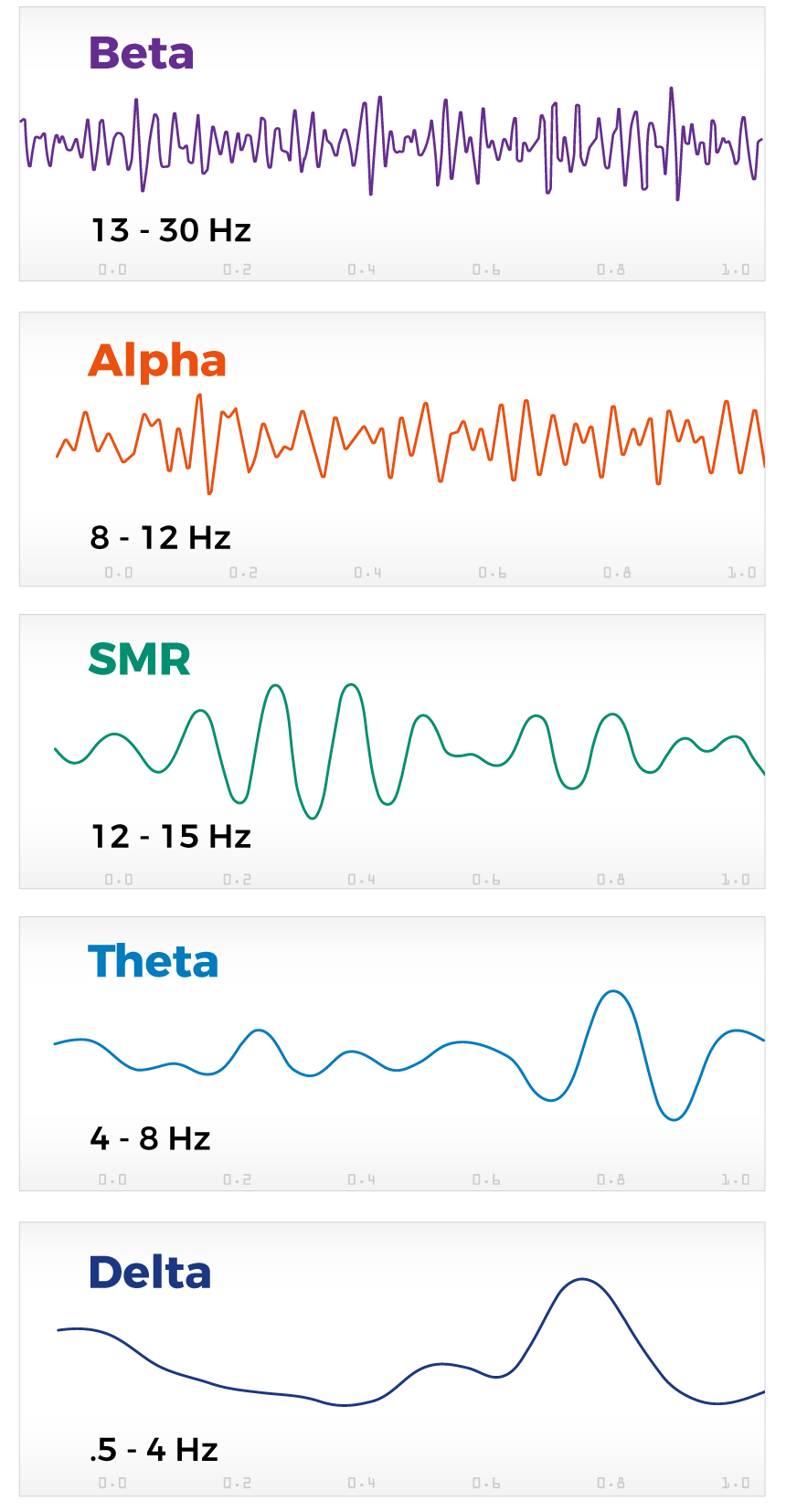
Below is a gentle introduction to the main brainwave patterns often discussed in neurofeedback therapy for trauma, PTSD, anxiety, and mood regulation.
Beta: The Doing and Thinking State
Beta brainwaves are active when you are thinking, problem-solving, talking, or getting things done. This is the state you use at work, in school, and when you’re making decisions.
In a balanced way, beta helps you feel alert, capable, and organized. You can focus without feeling tense.
After trauma or long-term stress, beta can become overactive. This may feel like:
- Racing thoughts or constant worry
- Difficulty relaxing
- Feeling on edge or hypervigilant
- Trouble sleeping because the mind won’t slow down
Neurofeedback doesn’t try to shut beta off. Instead, it helps the brain learn when it’s safe to soften and when alertness is helpful.
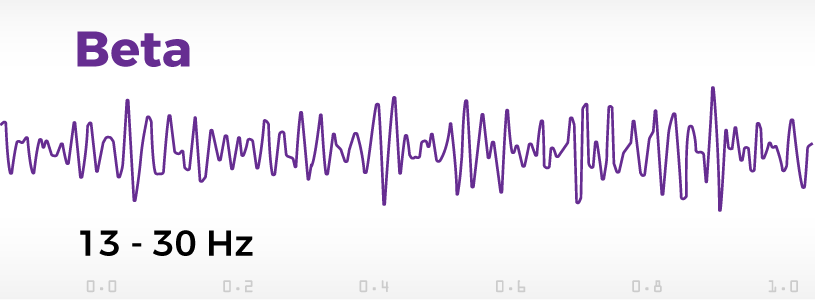
Beta brainwaves are active when you’re thinking, planning, speaking, or focusing on tasks. This is the state that helps you function in everyday life.
In balance, beta supports clarity and organization. After trauma or long-term stress, beta can become overactive, leading to racing thoughts, constant alertness, or difficulty slowing down.
Neurofeedback helps the brain learn when beta activity is useful — and when it’s safe to soften.
Alpha: The Calm and Present State
Alpha brainwaves show up when you are calm but awake. This might feel like taking a deep breath, daydreaming, or quietly enjoying a moment.
Alpha supports presence, creativity, and emotional balance.
After trauma, alpha can be harder to access. People may feel restless, disconnected from their body, or unable to relax even when they want to.
Neurofeedback can help the brain rediscover this calm state by helping the nervous system feel safe enough to settle — not by forcing relaxation, but by supporting regulation.
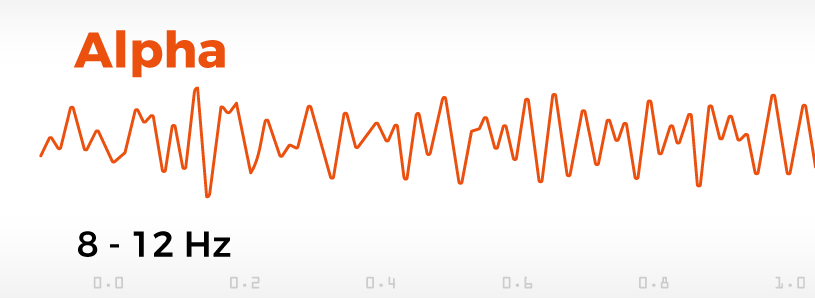
Alpha brainwaves appear when you’re calm, awake, and present. This state supports emotional balance, creativity, and the ability to pause without shutting down.
After trauma, alpha can be harder to access. Relaxation may feel unfamiliar or unsafe.
Neurofeedback supports the nervous system in gently rediscovering alpha by helping the brain feel safe enough to settle.
SMR: The Steady and Regulated State
SMR (sensorimotor rhythm) is a steady brainwave linked to physical calm and emotional stability. It is often active when the body is still and the mind is clear.
SMR supports:
- Restful sleep
- Improved focus
- Reduced physical tension
- Emotional steadiness
For many people with trauma, ADHD-like symptoms, or chronic stress, SMR can be underdeveloped or unstable.
Neurofeedback often works gently with SMR to help the nervous system feel more organized and grounded, especially when the body has learned to stay on high alert.
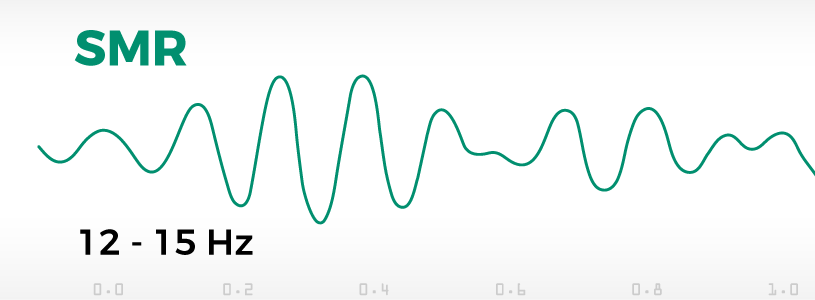
SMR (sensorimotor rhythm) is a steady brainwave associated with physical calm and emotional stability. It often appears when the body is still and the mind is clear.
SMR supports restful sleep, improved focus, and reduced physical tension. With chronic stress or trauma, this rhythm can be underdeveloped or inconsistent.
Neurofeedback often works with SMR to support regulation and grounding.
Theta: The Inner and Emotional State
Theta brainwaves appear during deep reflection, emotional processing, creativity, and the early stages of sleep. This is where memories, feelings, and inner images live.
Theta is important for healing and insight.
With trauma, theta can sometimes feel overwhelming or avoided. People may experience emotional flooding, brain fog, zoning out, or dissociation.
Neurofeedback helps the brain learn how to visit theta safely — without getting stuck there or shutting it down completely.

Theta brainwaves are present during deep reflection, emotional processing, creativity, and early sleep stages.
Theta is important for healing and insight. When unbalanced, it may feel like emotional flooding, zoning out, or brain fog.
Neurofeedback helps the brain learn how to move into theta safely and flexibly.
Delta: The Deep Rest and Repair State
Delta brainwaves are the slowest brainwaves. They are most active during deep, dreamless sleep. This is when the body repairs and the brain resets.
Healthy delta activity supports:
- Deep, restorative sleep
- Physical healing
- Emotional recovery
Trauma and chronic stress often disrupt delta sleep. People may sleep but not feel rested, or wake frequently during the night.
Neurofeedback can support healthier sleep patterns by helping the brain relearn how to enter and stay in deep restorative states
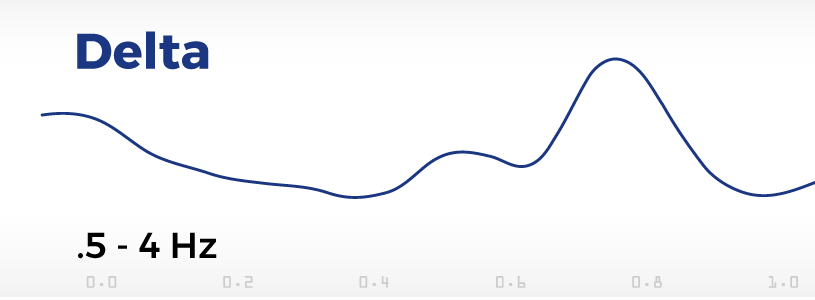
Delta brainwaves are most active during deep, dreamless sleep. This is when the brain and body restore and repair.
Trauma and chronic stress can interfere with healthy delta activity, leading to non-restorative sleep.
Neurofeedback can support healthier sleep patterns by helping the brain re-establish deep restorative rhythms.
How Neurofeedback Therapy Works With Brainwaves
Neurofeedback does not push your brain into a specific state or control your thoughts. It doesn’t force calm or focus.
Instead, it offers gentle, real-time feedback. While you watch a screen or listen to sounds, your brain notices when it shifts toward more balanced patterns. Over time, it learns what regulation feels like.
This learning is natural, similar to learning a new rhythm or skill. Your brain already knows how to regulate — neurofeedback helps it remember.
Neurofeedback, Brainwaves, and Trauma Recovery
If you’ve been struggling, it’s not because your brain is failing. It’s because your nervous system adapted to keep you safe.
Learning about your brainwaves isn’t about fixing yourself. It’s about meeting your nervous system with curiosity and respect.
With the right support, your brain can learn to move more freely between states of focus, calm, rest, and connection. Neurofeedback offers one way to support that process — slowly, safely, and from the inside out.
If you’re curious about neurofeedback therapy in Ann Arbor and how it may support trauma healing or nervous system regulation, you’re welcome to learn more or reach out when it feels right.
Brainwave ranges are provided for educational purposes only. Everyone’s brain is unique, and healthy brains move fluidly between states.